Our ministry campus is beautiful. We fell in love with Doulos right away. It has felt very disappointing to move overseas to sit online, but it has also been INCREDIBLE. We’ve met SO MANY incredible people, and we’ve learned so much about Dominican culture. I’m trying desperately never to close my fists, to always have this posture of open armed learning, the way we originally came. I’m trying to raise my children the same, open handed and arms raised high asking
What can we learn from you
Always.
Matt and I were talking, and sometimes we believe this foggy lie we’ve invented that if our ministry isn’t directly related to getting kids off the streets, or poverty relief, then will we be supported both faithfully and financially? And one of our dear mentors has the most beautiful explanation of Doulos and it’s place in the world of ministry organizations.
There are handfuls of ministries across the country that aid in poverty relief, street life, recovery from drug abuse, and escaping prostitution. From there, there are several ministries that aid in providing safe and stable homes, programs, and resources for these specific children and families. Next, comes Doulos. This is where we come in. Doulos is that next step- that final push before professionalism and career and travel and impact. Doulos accepts 45% of its student body from families who pay full tuition. These are families who mostly come from professional settings and can easily afford to pay for quality education. The other 55% of the student body of Doulos comes from families who participate in our sponsorship program. These might be the students who have been a) taken off the streets, and b) been supported in systems and programs and family settings so that c) they can successfully participate in the education Doulos provides. This almost-half-and-half mix of sponsorship vs. tuition students creates for a wide variety of socio economic backgrounds. And this is what makes Doulos so beautiful.
Then, Doulos sends them flying. Doulos aims to a) prep for college, and b) prep for “calling.” I love this. This opens our doors wide open and allows us to use our skills and abilities and faith to disciple students AND educate students.
Our students take a class called CREW: the focus is that we are crew, not passengers. We all have responsibilities, jobs, and roles of servant leadership, as opposed to rights and entitlements. From PreK 3 to Grade 12, students learn, apply, analyze and demonstrate the Codes of Character and Skills of a Scholar, two sets of expectations here at Doulos. Students graduate only once they prove, with a final project after 12+ years at Doulos, and in front of a panel of educators, that they exhibit specific Codes of Character (Servant Leadership, Courage, Relations, Revolutionary, ++) and Skills of a Scholar (Diligent Problem Solver, Seeker of Christ, ++).
These Codes of Character and Skills of a Scholar are integrated through Expeditionary Learning beginning in PreK3. Students learn all curricular outcomes in themes called Expeditions. Each expedition includes Essential/Guiding Questions, Field Work, Analysis, Biblical Integrations, Final Products, Expeditions (field trips) and Expeditionary Night. Each unit, or Expedition, is community based and solution based. This means that a problem within the community is presented. From there, students (guided by the Teacher), develop essential/guiding questions. All subject areas and curricular outcomes are integrated into the unit/theme/expedition. Throughout the Expedition, students learn practical Servant Leadership as they seek to find real life solutions to community problems. They work together to learn Mathematical skills, Literacy adequacy, Social Justice, and Faith. For example, students in Grade 1 last year had a curricular unit on Light (Science). The community problem was presented: none of the traffic lights are respected, looked at, or even working in this town. Essential questions were formed as a class, guided by the teacher: How does light help our community stay safe?
Students did field work. As a class, they traveled to different traffic light locations, sat in a row on the side walk, and graphed results. How many drivers stopped at a red light? How many didn’t? Were the lights working?
This took place over the course of a few weeks. Studenst first learned the basic skills of graphing. They learned the basic skills of walking in a line on the sidewalk, staying close to your partner, not running onto the road. Students practice filling graphs. Students looked at pictures of traphic lights, learned colors in Enligsh as well as Spanish, discussed locations of traffic lights in our town. Students studied maps, and learned ways to draw locations to show where to go. Students learned directions. Once students completed their Field Work, they compiled results. They discussed solutions. Students learned about the Creation Story, in depth, and the way God created Light. Students investigated Bible stories that inlcuded light, asked the importance of light, and played with shadows. This is just the surface of Expeditionary Learning. By the end of the unit/expeiditon, students had these projects to display their learning on Expeiditonary Night: traffic lights made of recycled materials, a clothes hanger model displaying the 7 days of creation, highlighting the day God created light, their graph of traffic light observations, and their project proposal of how to create awareness and educate the public about the importance of respecting traffic lights.
These Expeditions run all year round, in every grade.
During COVID, we have gone completely virtual, with the exception of 3 weeks of in-person learning, on a trial basis. We have continued with Expeditions as best we can. We have prioritized Biblical teachings. We have fought to have small groups of students on campus, whenever possible. We have been granted permission to have students who need extra help, students who have internet/electricity problems, and a few other specific cases, on campus.
Our goal, is to disciple children to impact the DR. Our primary means? Education. This year, online, Matt has led a Small Group of high school boys in different Bible studies, conversations, and chapel debriefs. Some of these Small Group times happen virtually. Others happen distanced, outdoors, or on weekends. I have been able to co-start a Creators Club, an after school virtual group established to pour into a large age range of students. Our focus is on creating. How we create, how others create, how God creates. We have focused heavily on the creative process, accepting vs. denying unwanted/wanted feedback, and creating to grow instead of to prove. I have loved this chance to get to know some of Matt’s high school students as well. Matt has Spanish classes in the amphitheater 3 times a week, and he is cruising through verb tenses and conjugations.
Here are a few glimpses of what Doulos has looked like this year.
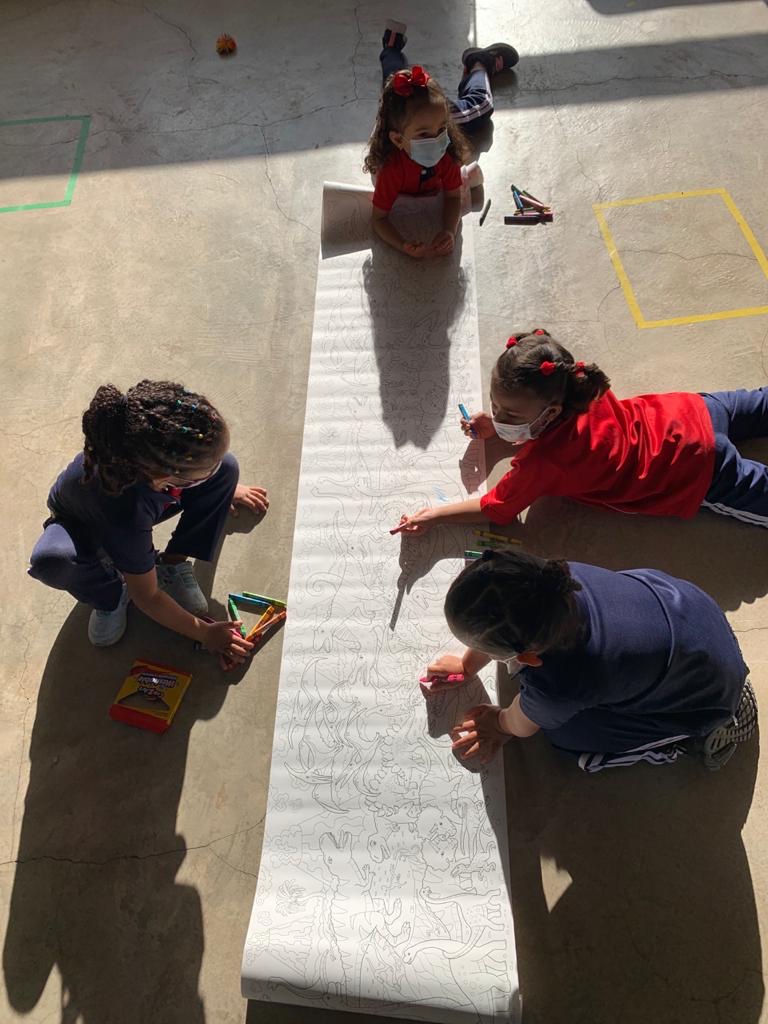
Fine Motor Skills, outdoors 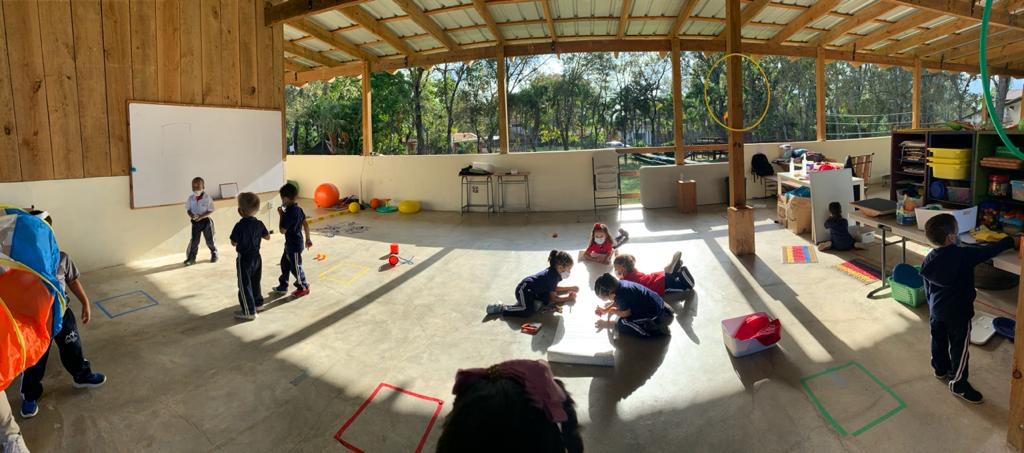
Motor Lab in full swing 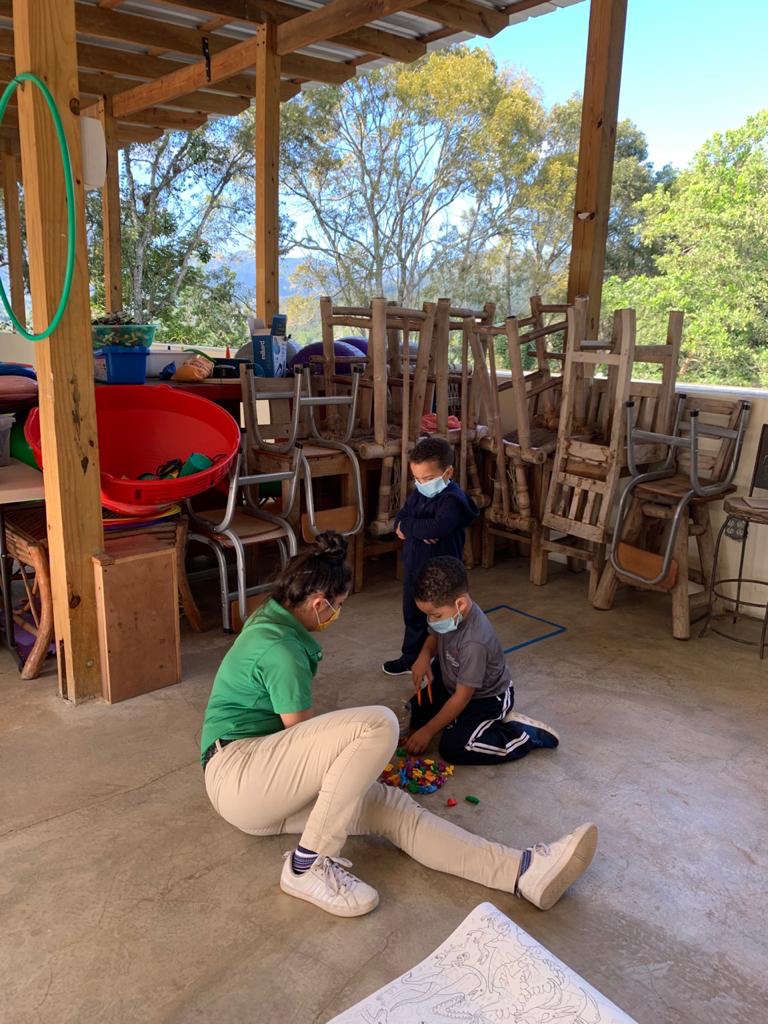
Coach Kristen, head of Motor Lab and intervention 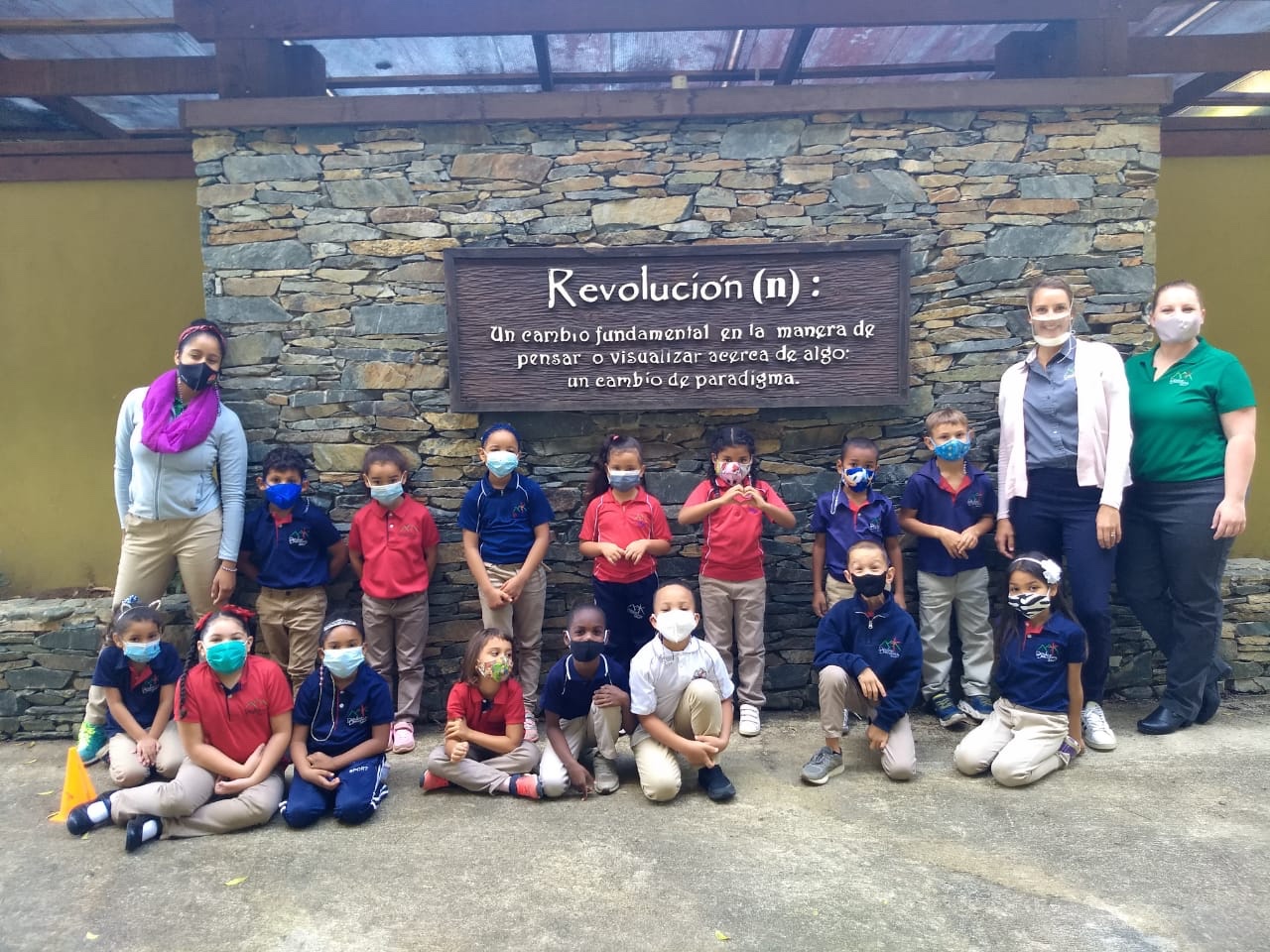
Lisa’s Kindergarten Class 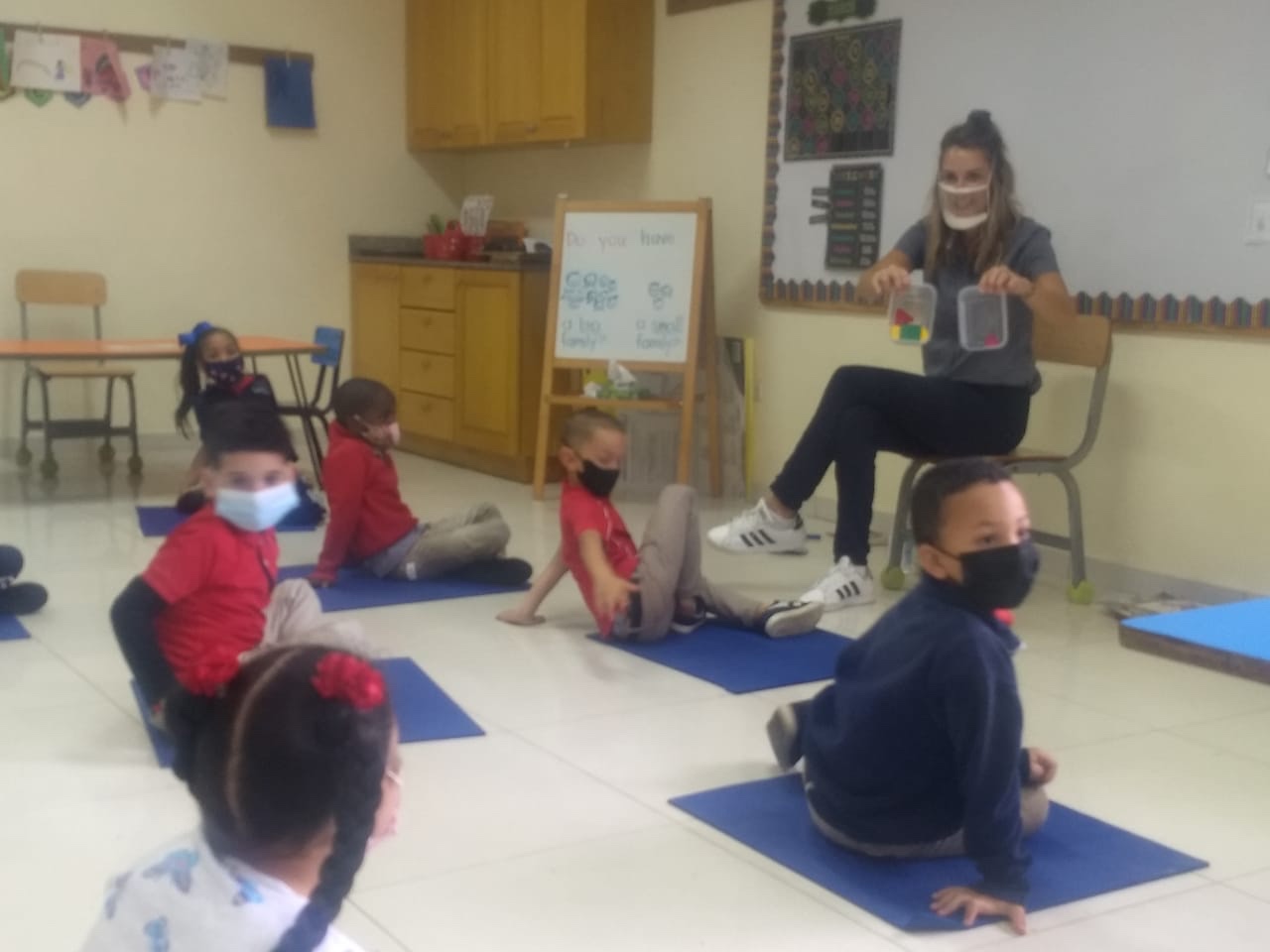
Thriving in Person 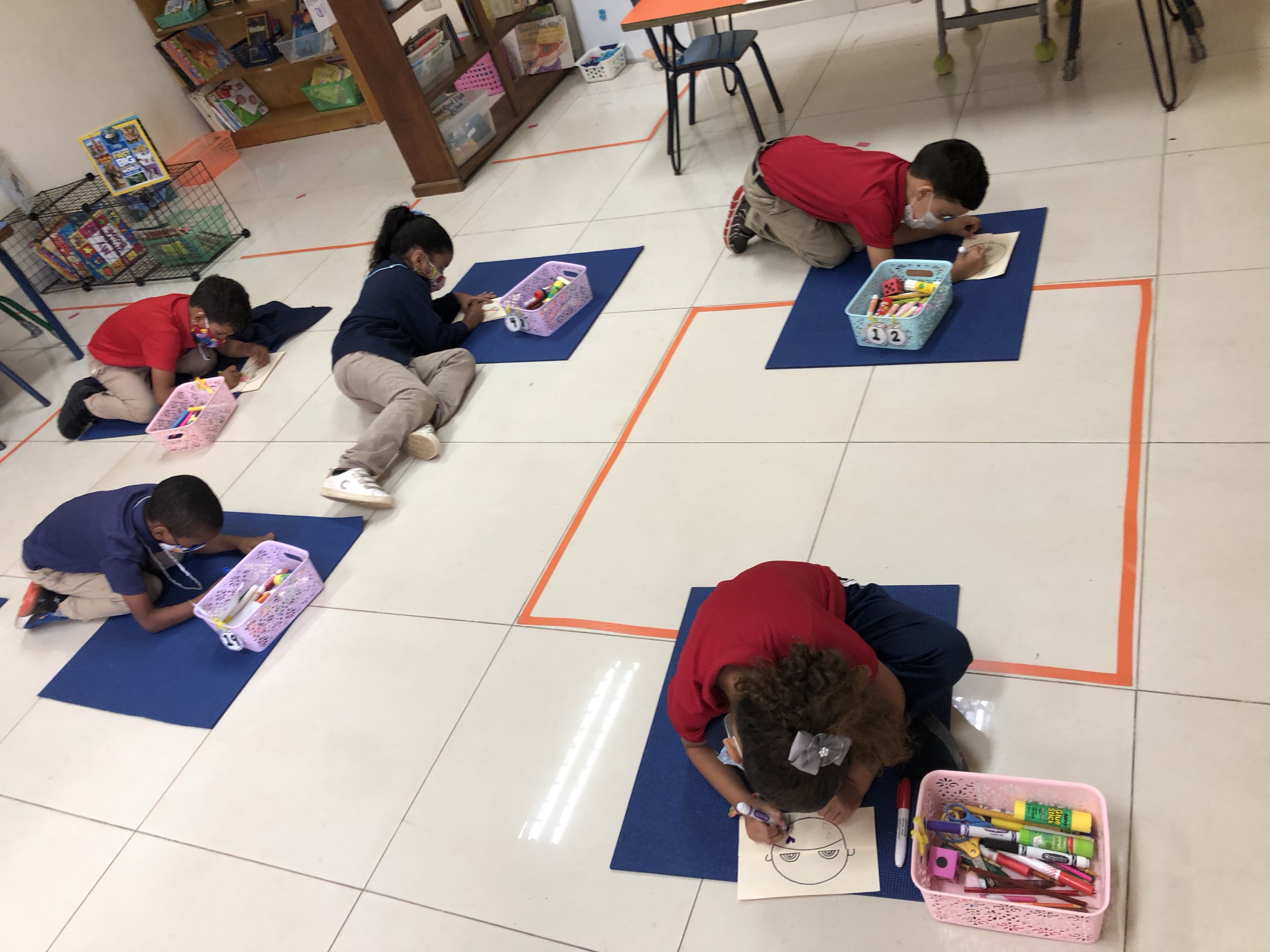
Hard Workers 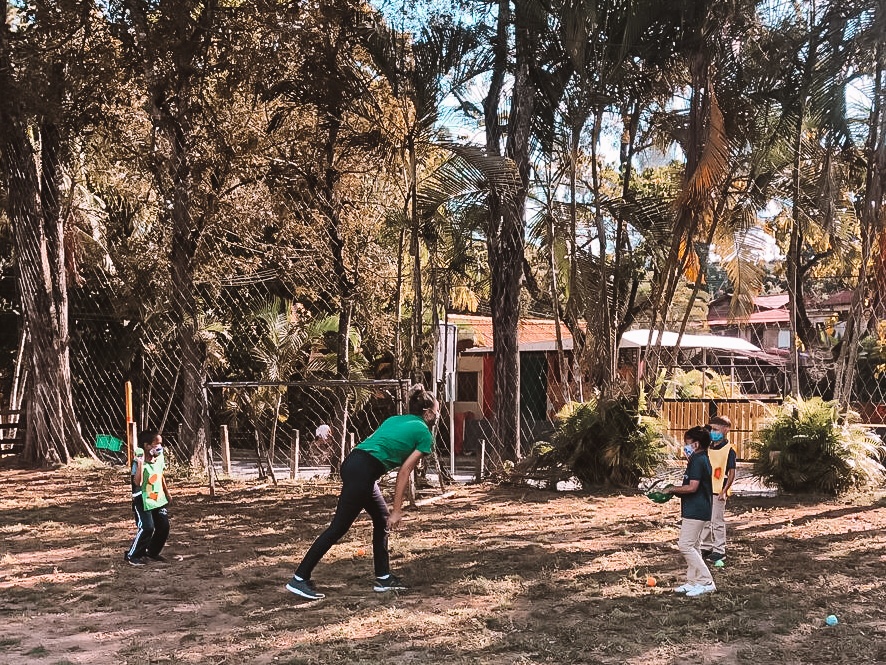
Outdoor bonding 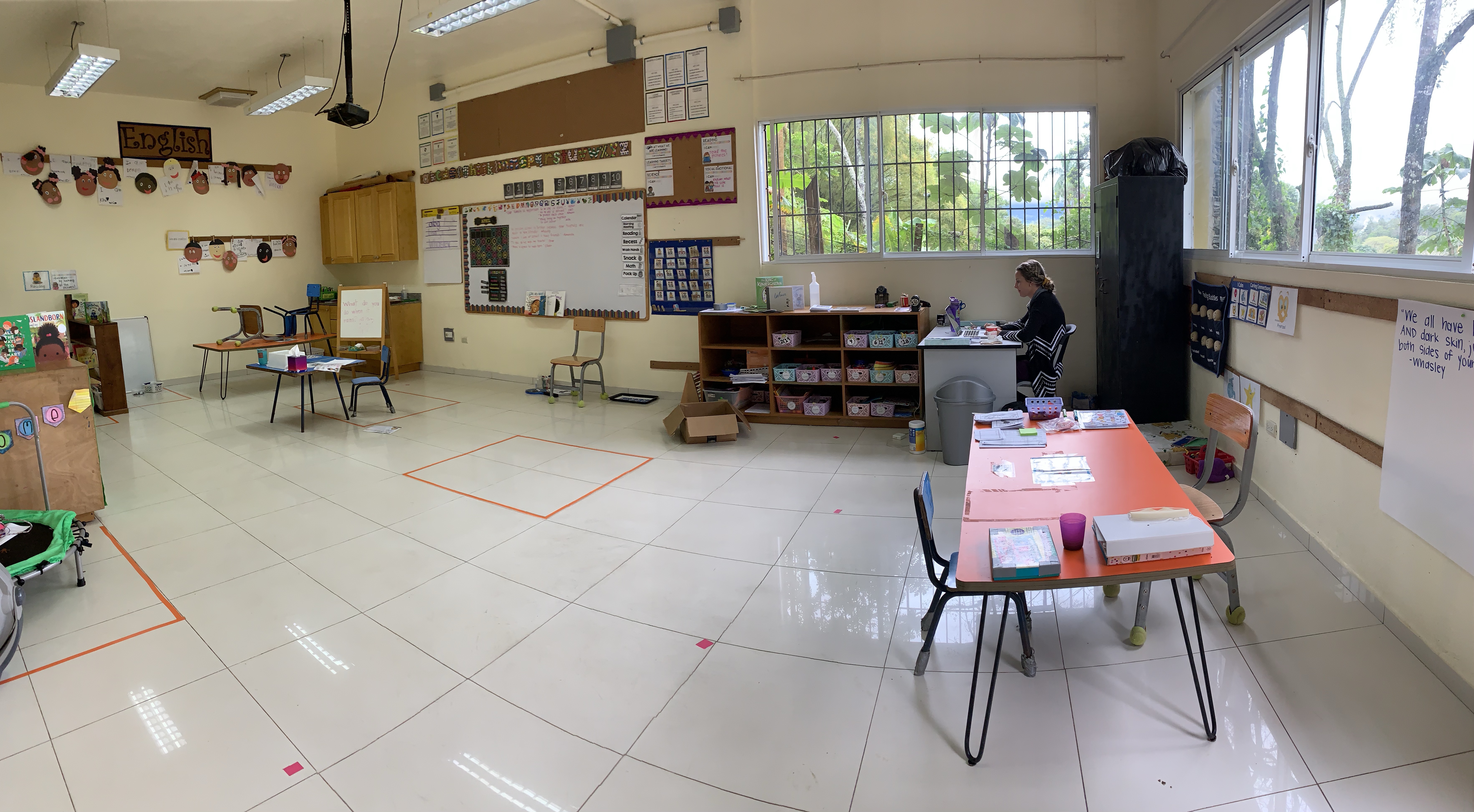
Back online– prepping and teaching 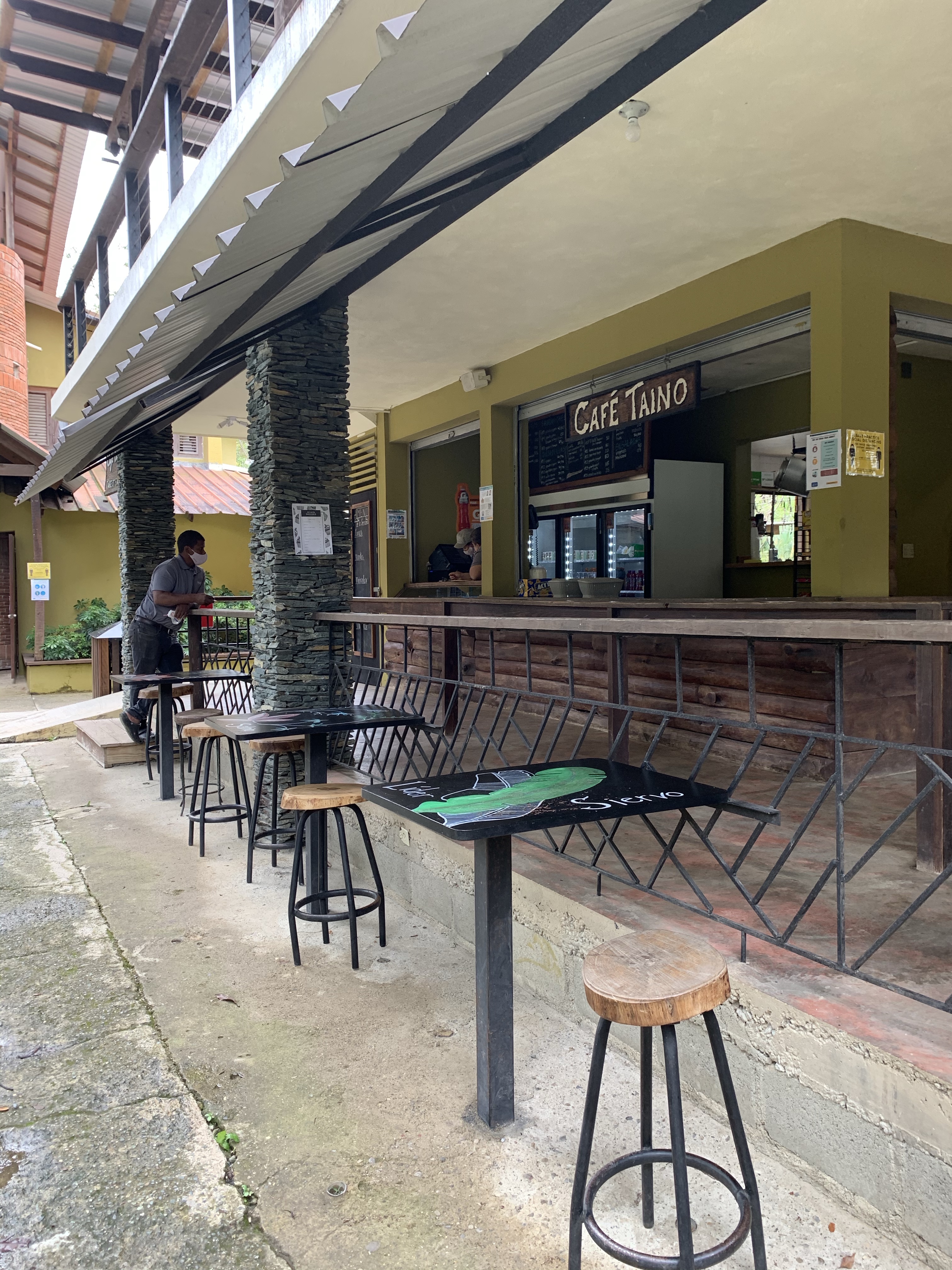
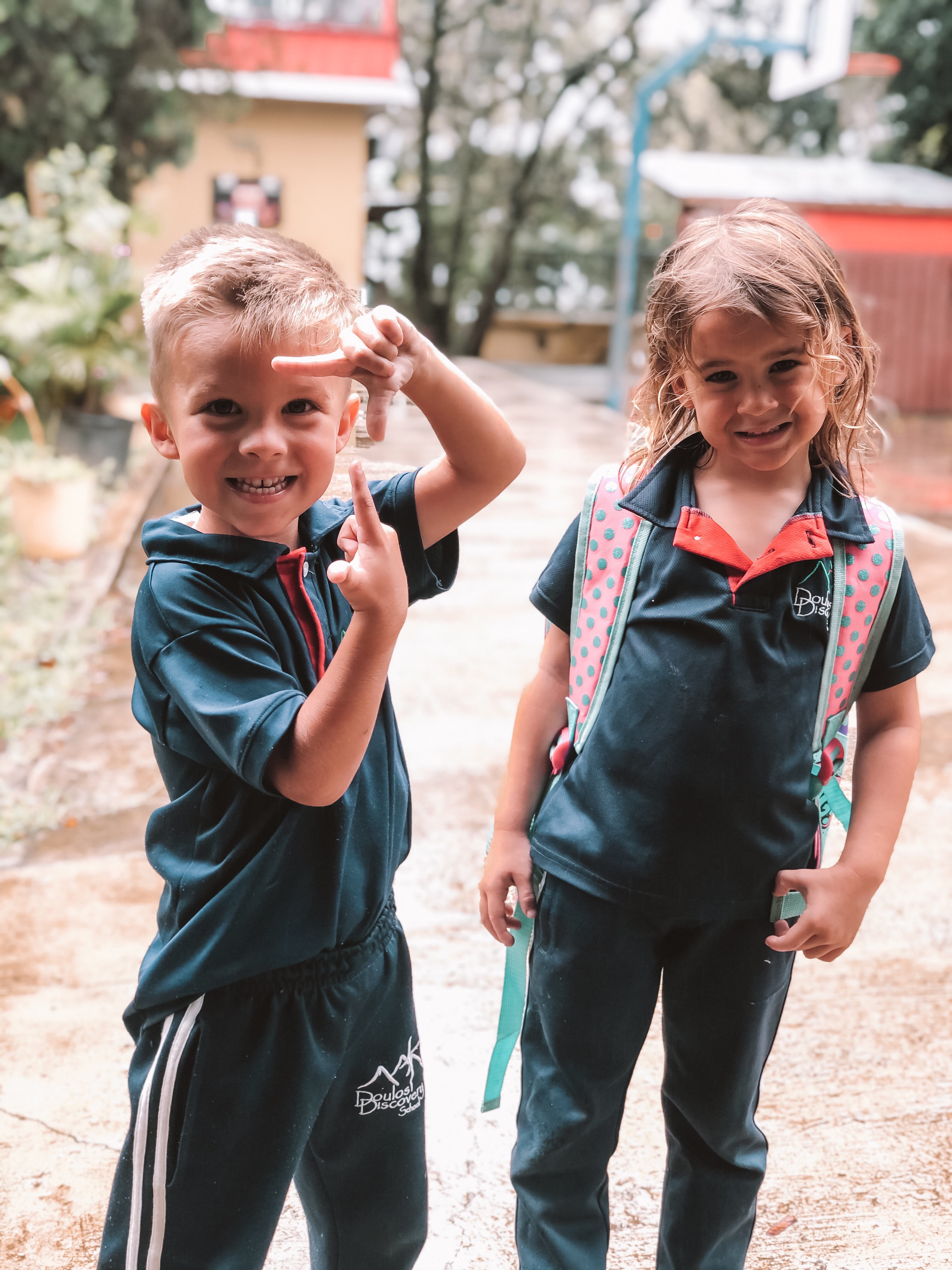
Hayden and his Bestie 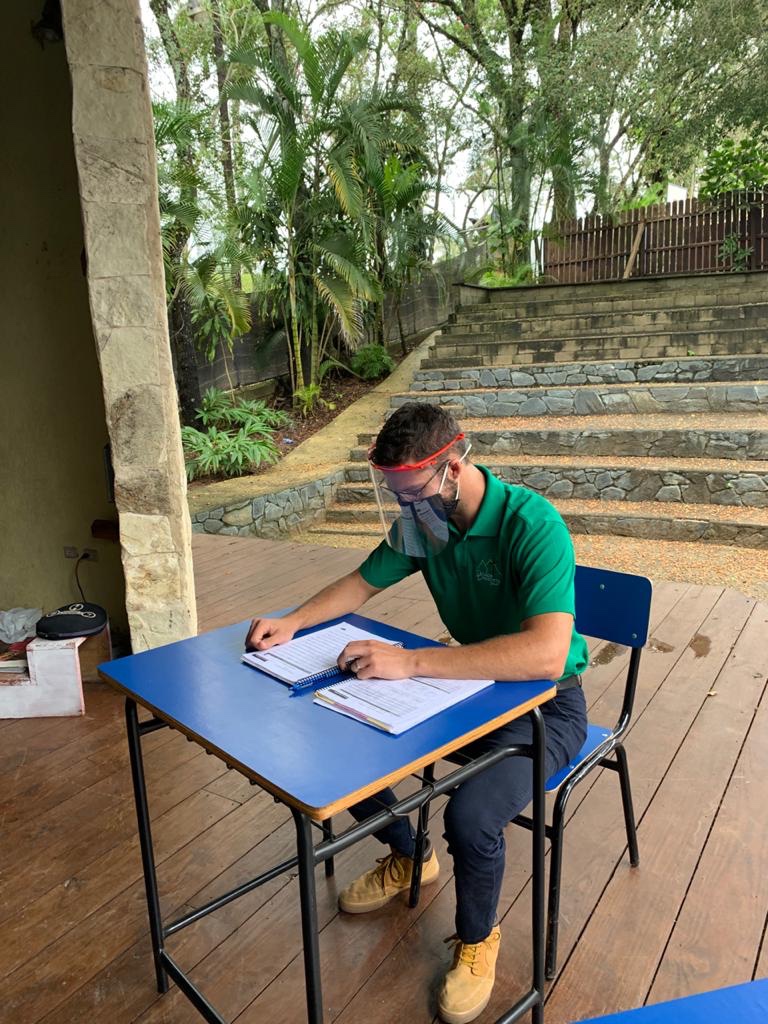
Matt taking his daily Spanish lessons 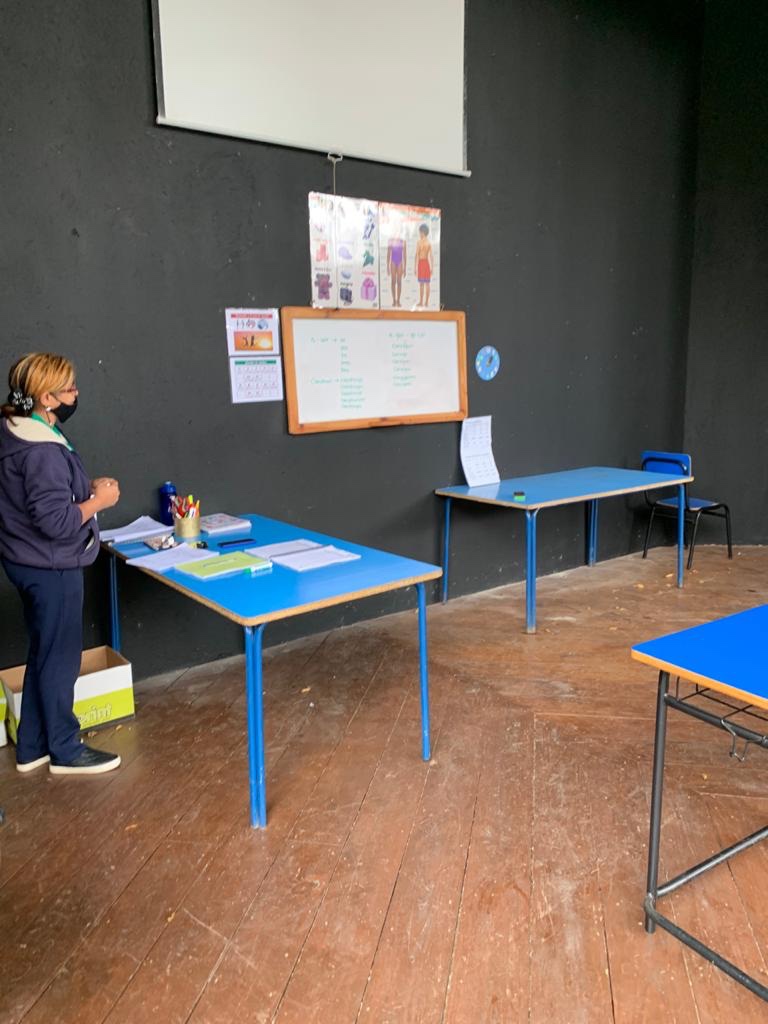
Matts Spanish teacher
 Matt and Lisa Wiebe